

Skip to content
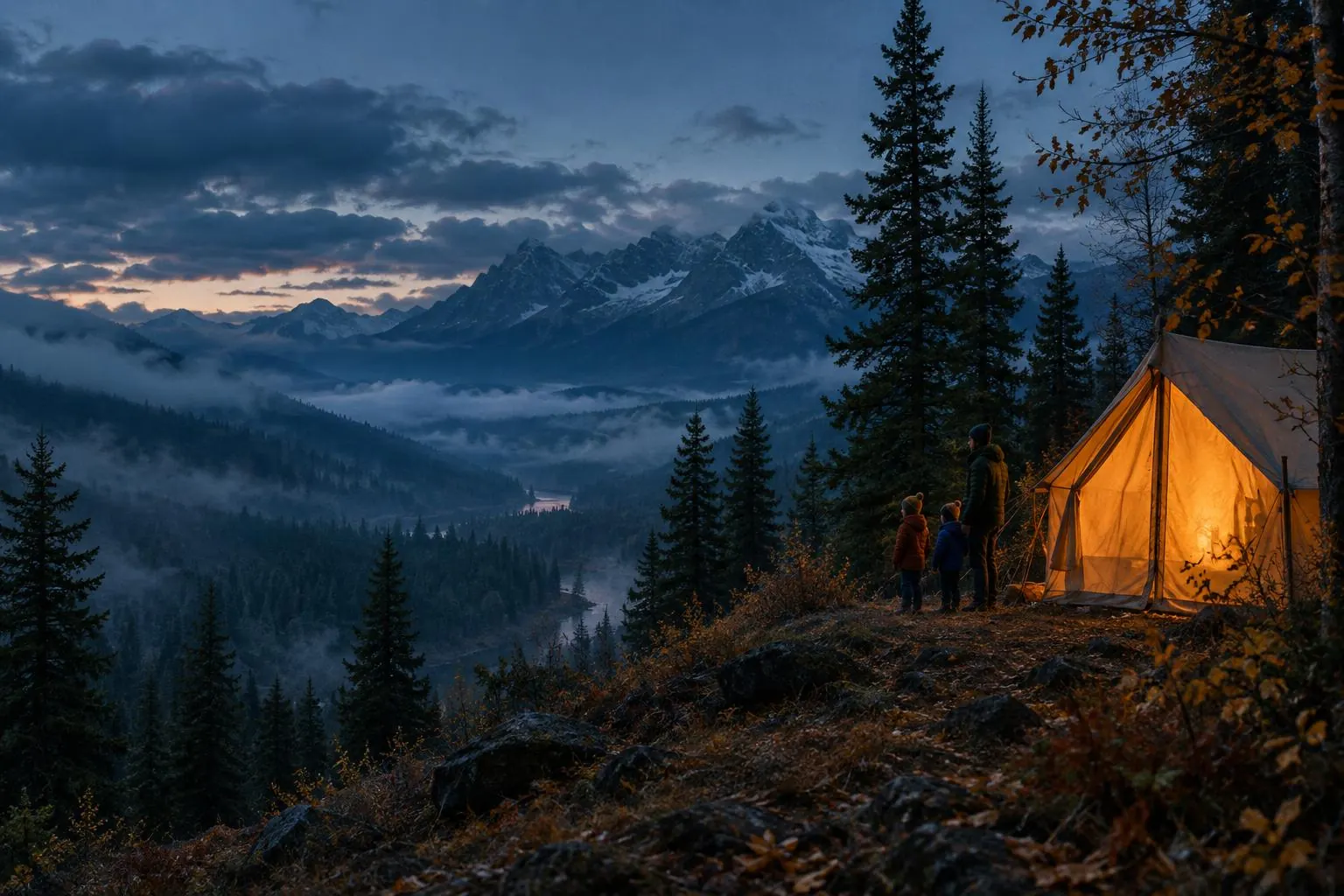
Family tent glowing at dusk at a cold campsite

Home  /  Heat & Cool  /  Best tent heaters

Best tent heaters for family camping, and when not to use one

Day4Camp earns a commission from qualifying purchases, at no extra cost to you. How we choose.

Updated

How we picked these

How we choose

The CDC says never to use fuel-burning heaters inside a tent, so no pick here is a heater to run in a closed tent.

We compared maker specifications, safety features and how each one fits a family trip.

We did not test these. If that changes, the page will say so.

How we choose
ProductBest forPowerHeatPrice
HotHands Super Warmers Best inside the tent Air-activatedUp to 18 hours, per the maker Check price on Amazon
Mr. Heater Portable Buddy Best for around camp 1 lb propane cylinder4,000 or 9,000 BTU Check price on Amazon
DREO Space Heater Best with an outlet 120V outlet, up to 1,500WTip-over and overheat protection Check price on Amazon
PRODUCT PHOTO Best inside the tent
RESEARCHED

HotHands Super Warmers

This is not a heater, and that is the point. Air-activated warmers burn no fuel, so there is no exhaust. The maker rates them for up to 18 hours of heat. Tuck one in a pocket or between layers, not against bare skin.

Who it's for

Any family that wants extra warmth at night, on top of a good sleeping bag and pad.

Who should skip it

Anyone hoping to warm the whole tent. Warmers heat a person, not the air. Hand them out to kids only with an adult watching how they are used.

What owners praise

We did not find enough detailed owner feedback to summarize fairly. Read the newest reviews on the product page before you buy.

What owners complain about

We did not find enough detailed owner feedback to summarize fairly. Read the newest reviews on the product page before you buy.

Check price on Amazon
PRODUCT PHOTO Best for around camp
RESEARCHED

Mr. Heater Portable Buddy

The maker says it is approved for indoor and outdoor use and lists an oxygen sensor, a tip-over switch and a thermal shut-off. We still follow the CDC, which says not to use fuel-burning heaters inside a tent. Use it in the open, away from anything that can burn.

Who it's for

Families who want a warm spot outside while cooking or getting the kids ready, and who will shut it off before bed.

Who should skip it

Anyone planning to run it in the tent, or to leave it on while the family sleeps. Also skip it if you camp high up: the listing we read says it is not designed for use above 7,000 feet.

What owners praise

Retailer ratings are high, but we did not find specific praise detailed enough to quote fairly. Read the newest reviews before you buy.

What owners complain about

The most common complaint we found is a pilot that goes out or is hard to keep lit, more often at altitude. Some owners also mention moisture and odor.

Check price on Amazon
PRODUCT PHOTO Best with an outlet
RESEARCHED

DREO Space Heater

Electric heat makes no carbon monoxide, which is why it is the option people ask about most. But this model is listed for indoor use and draws 1,500 watts at full power. Fire-safety groups say to plug heaters straight into a wall outlet, which most tents cannot do. It suits a cabin or other solid shelter with an outlet better than a tent.

Who it's for

Campers staying in a cabin or a solid shelter with a safe outlet, who will turn it off at bedtime.

Who should skip it

Tent campers without a safe, dry power source. Most portable power stations will also run out quickly at this draw.

What owners praise

We did not find enough detailed owner feedback to summarize fairly. Read the newest reviews on the product page before you buy.

What owners complain about

We did not find enough detailed owner feedback to summarize fairly. Read the newest reviews on the product page before you buy.

Check price on Amazon

Buying guide

Start with your sleep setup

Most cold nights are solved from the ground up: an insulated pad, a bag rated below the night's low and dry layers. The CDC also points to enough bedding, clothing, food and fluids as the alternative to fuel-burning heat.

Know what each power source means

Fuel heaters can make carbon monoxide. Electric heaters do not, but they are a fire risk and need a lot of power. Warmers are the simplest option, but they only warm one spot.

Look for the safety features

On any heater, look for tip-over shutoff and overheat protection, and pick one listed by a recognized testing lab. These lower some risks. They do not make a fuel heater safe in a closed tent.

Keep the 3-foot rule

The NFPA and the CPSC say to keep heaters at least 3 feet from anything that can burn, and that includes bedding. In a family tent full of sleeping bags, that is hard to do. Measure before you plug in.

And with kids?

Kids roll around at night, kick off blankets and touch things they should not. That is the main reason we do not suggest any heater running in a tent where children sleep.

Dress them in dry layers, use a bag rated for the cold and do a bathroom trip before bed. If the forecast is too cold for your gear, the safest plan is a cabin or another weekend.

Frequently asked questions

Is it safe to use a heater in a tent?

The CDC says never to use fuel-burning equipment, including gas heaters, inside a tent. Opening the flaps is not enough to stop carbon monoxide from building up. Electric heaters make no carbon monoxide, but they still need 3 feet of clearance and should be off while you sleep.

What is the safest way to stay warm in a tent?

A good sleeping system: an insulated pad, a bag rated below the night's low, dry layers and warmers kept off bare skin. It adds no fire or carbon monoxide risk from a heater.

Can I sleep with a Mr. Heater Buddy on in my tent?

No. The maker rates it for indoor use and lists an oxygen sensor, but the CDC advises against fuel-burning heaters in a tent, and people who are asleep cannot notice the early signs of carbon monoxide poisoning.

Sources: CDC: camping health and safety · CDC: carbon monoxide deaths while camping · NFPA: portable heater safety · CPSC: winter heating safety