



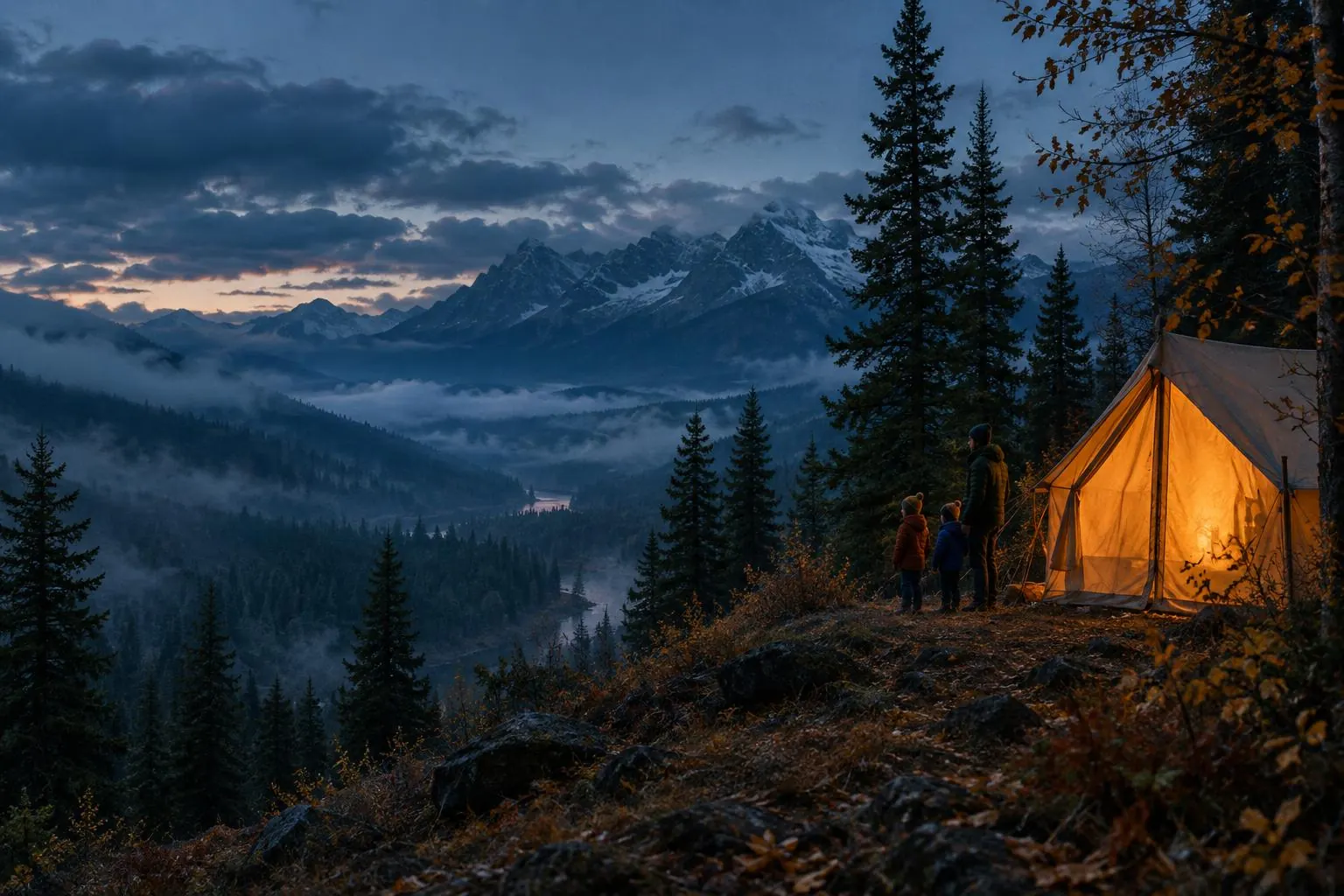
The safest way to heat a tent is not to heat the air at all. Keep each person warm with an insulated pad, a bag rated below the night's low and dry layers. The CDC says never to use fuel-burning heaters, stoves or lanterns inside a tent, and opening a flap does not fix it.
-
Never run fuel-burning gear inside the tent
That means gas heaters, camp stoves, lanterns and charcoal grills. The CDC warns they can build up deadly carbon monoxide, even with flaps or windows open. It is more dangerous at night, because people who are asleep cannot notice the early symptoms.
-
Insulate from the ground up
The cold ground pulls heat out of you all night. Use an insulated pad under every sleeping bag, and add a second layer for kids or very cold nights. A warm bag on a cold floor will still feel cold.
-
Choose a bag for the real low
Check the forecast low for the night, not the daytime high. Pick a bag rated below it, and put kids in bags made for their size so there is less empty space to warm.
-
Go to bed warm and dry
Change into dry sleep layers, wear a hat and socks, eat a snack and drink something. The CDC also advises enough bedding, clothing, food and fluids as the alternative to fuel-burning heat. Keep warmers off bare skin.
-
If you use an electric heater, follow the fire rules
Electric heat makes no carbon monoxide, but it can start a fire. The NFPA says to keep it at least 3 feet from anything that can burn, plug it directly into a wall outlet and turn it off when you sleep. Most tents cannot meet those rules, so a cabin is often the better choice.
-
Have a plan B for a too-cold night
If someone cannot get warm, do not reach for a heater. Warm up in the car with the engine running only in open air and with a clear tailpipe, go to a heated building or head home. Leaving is always an option.
| Option | Carbon monoxide | Fire risk | Use it in the tent? |
|---|---|---|---|
| Pad, bag and dry layers | None | None | Yes, always start here |
| Air-activated warmers | No fuel burned | Low, keep off bare skin | Yes |
| Electric heater | None | Yes, keep 3 feet clear | Only with safe power, off at bedtime |
| Propane heater | Yes | Yes | No, per the CDC |
| Wood or gas stove, grill, lantern | Yes | Yes | No, per the CDC |
Frequently asked questions
 What are the signs of carbon monoxide poisoning?


Headache, dizziness, weakness, upset stomach, vomiting, chest pain and confusion, according to the CDC. If you suspect it, get everyone into fresh air right away and call 911.
Does opening the tent door make a propane heater safe?
No. A CDC report on camping deaths found that opening tent flaps, doors or windows is not enough to prevent carbon monoxide from building up.
Will a carbon monoxide alarm make a fuel heater safe in a tent?
No. An alarm is a backup, not permission. The CDC's advice is to keep fuel-burning equipment out of the tent.


Free family camping checklist
75+ items in a printable PDF, and 3 emails with your first-trip plan.


